

What Your Business Needs to Know
Over the past several months, we have observed a significant uptick in botnet attacks targeting our clients’ websites. These attacks are growing in frequency and sophistication, and we want to ensure you understand what is happening, why it matters, and what steps we are taking together to protect your business.
What Is a Botnet?
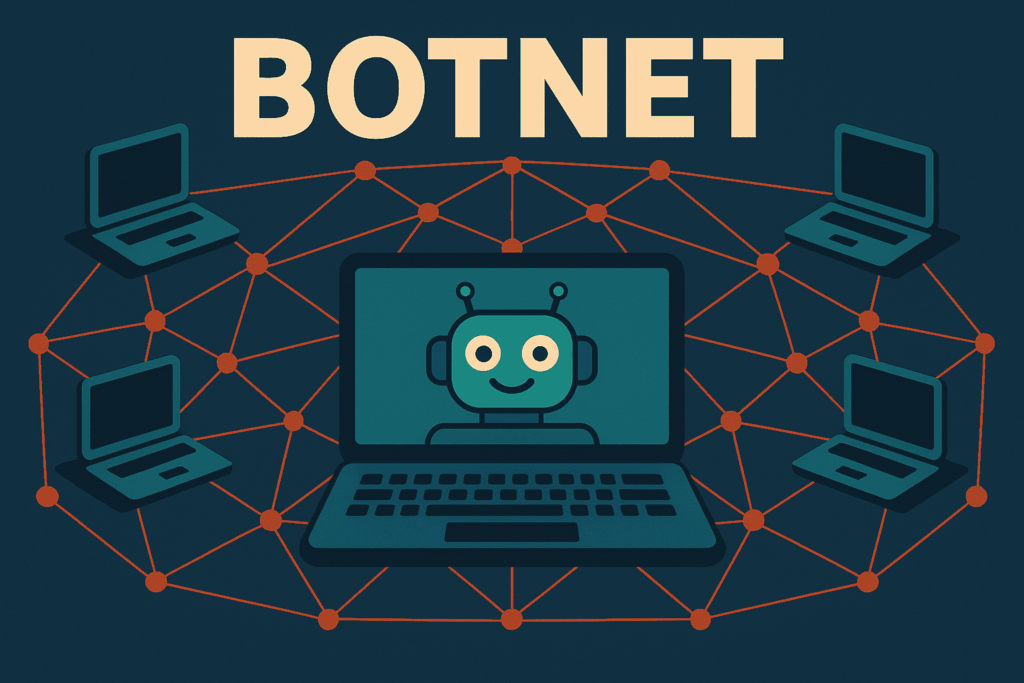
A botnet is a network of computers, phones, or internet-connected devices that have been secretly infected with malware and brought under the control of a malicious actor — often called a “botmaster.” The device owners are typically unaware that their machines have been compromised.
Botnets can include thousands or even millions of individual devices spread across the globe. This distributed nature is exactly what makes them so dangerous: attacks appear to originate from many different locations simultaneously, making them difficult to block without also blocking legitimate visitors.
Common botnet uses include distributed denial-of-service (DDoS) attacks, spam campaigns, and — increasingly relevant to your websites — automated credential-stuffing attacks.
What Is Credential Stuffing?
Credential stuffing is a type of cyberattack in which stolen username and password combinations — often sourced from previous data breaches on unrelated platforms — are automatically tested against your website’s login page at a massive scale. The attack exploits a simple but pervasive human habit: password reuse. When people use the same credentials across multiple services, a breach at one platform (say, a retail app) can unlock accounts on completely unrelated ones (say, your website’s customer portal).
Here is how a typical botnet attack unfolds:
- Attackers purchase or obtain a list of breached credentials from the dark web — these lists often contain millions of entries.
- They deploy a botnet to automate login attempts, distributing the requests across thousands of IP addresses to evade detection.
- Successful logins are flagged, giving attackers access to real customer accounts.
- Compromised accounts may be used for fraud, account takeover, data theft, or sold to other criminals.
Why Is It So Hard to Defend Against a Botnet Attack?
Botnet attacks are uniquely difficult to stop because they are specifically designed to look like normal human traffic. Several factors compound the challenge:
- Distributed IP addresses: Because the botnet routes requests through thousands of different IP addresses worldwide, traditional IP-blocking is largely ineffective. Blocking one address simply causes the next device in the network to take over.
- Slow and low attacks: Sophisticated botnets deliberately space out login attempts to stay below rate-limiting thresholds, mimicking the natural cadence of human logins.
- Valid credentials: Unlike brute-force attacks that try random passwords, credential-stuffing uses real, previously valid passwords. This means the login attempts themselves look completely legitimate to your server.
- Scale: A botnet can test hundreds of thousands of credentials in a matter of hours — far faster than any human team can manually detect and respond.
- Collateral damage risk: Overly aggressive defenses (such as blocking entire geographic regions or locking accounts after a single failed attempt) risk locking out real customers, creating business disruption.
How Can We Protect Your Website Against a Botnet Attack?
Working Together Is The Key To Success!
While no single solution eliminates botnet risk entirely, a layered defense strategy significantly reduces your exposure.
Here are the key measures:
- Utilize a Content Delivery Network: (Available to clients) By routing your traffic through a CDN, it will filter traffic to your website, minimizing unauthorized bot and botnet traffic. This also protects your site with a second layer of Web Application Firewalls, further enhancing your existing security.
- Multi-Factor Authentication (MFA): (Available to clients) This requires users to verify their identity with a second factor (e.g., SMS code or authenticator app), rendering stolen passwords alone useless.
- Advanced CAPTCHA / Bot Detection: (Implemented for clients) Modern bot-detection services analyze behavioral signals (mouse movement, typing patterns, browser fingerprinting) to distinguish humans from automated scripts.
- Rate Limiting & Account Lockout: (Implemented for clients) Throttles repeated failed login attempts from the same session or credential pair, slowing down brute-force and stuffing attacks without blocking legitimate users.
- Web Application Firewall (WAF): (Implemented for clients) Filters and monitors HTTP traffic, blocking known malicious patterns and providing a first line of defense against automated attacks.
- Breach Credential Monitoring: (Fully third-party, can refer clients) Services like HaveIBeenPwned or enterprise equivalents alert you when your users’ credentials appear in known breach datasets, allowing proactive password resets.
- Anomaly Detection & Logging: (Implemented for clients) Monitoring login velocity, geographic anomalies, and device fingerprints in real time allows rapid detection and response to stuffing campaigns in progress.
Our Commitment to You
We are actively reviewing the security posture of all client websites in our portfolio and will be reaching out individually to discuss tailored recommendations. If you are currently experiencing unusual login activity, account lockouts, or a spike in failed authentication events, please get in touch with me immediately.
Cybersecurity threats evolve constantly, but with the right defenses in place and an informed team behind you, your website can remain a trusted, secure experience for your customers
In Closing
Thank you for trusting Kristen’s Koncepts with your website needs and security! It is a job that we take very seriously and we are honored to provide this service to you. Please reach out if you should ever have any questions or comments! We are always available via email, text, or phone!